
Know what you’re holding.
Point your iPhone at a card, a watch, a car or a house. Worth names it, puts a price range on it in a couple of seconds, and tells you what would sharpen the number.
Free on iPhone. No account.
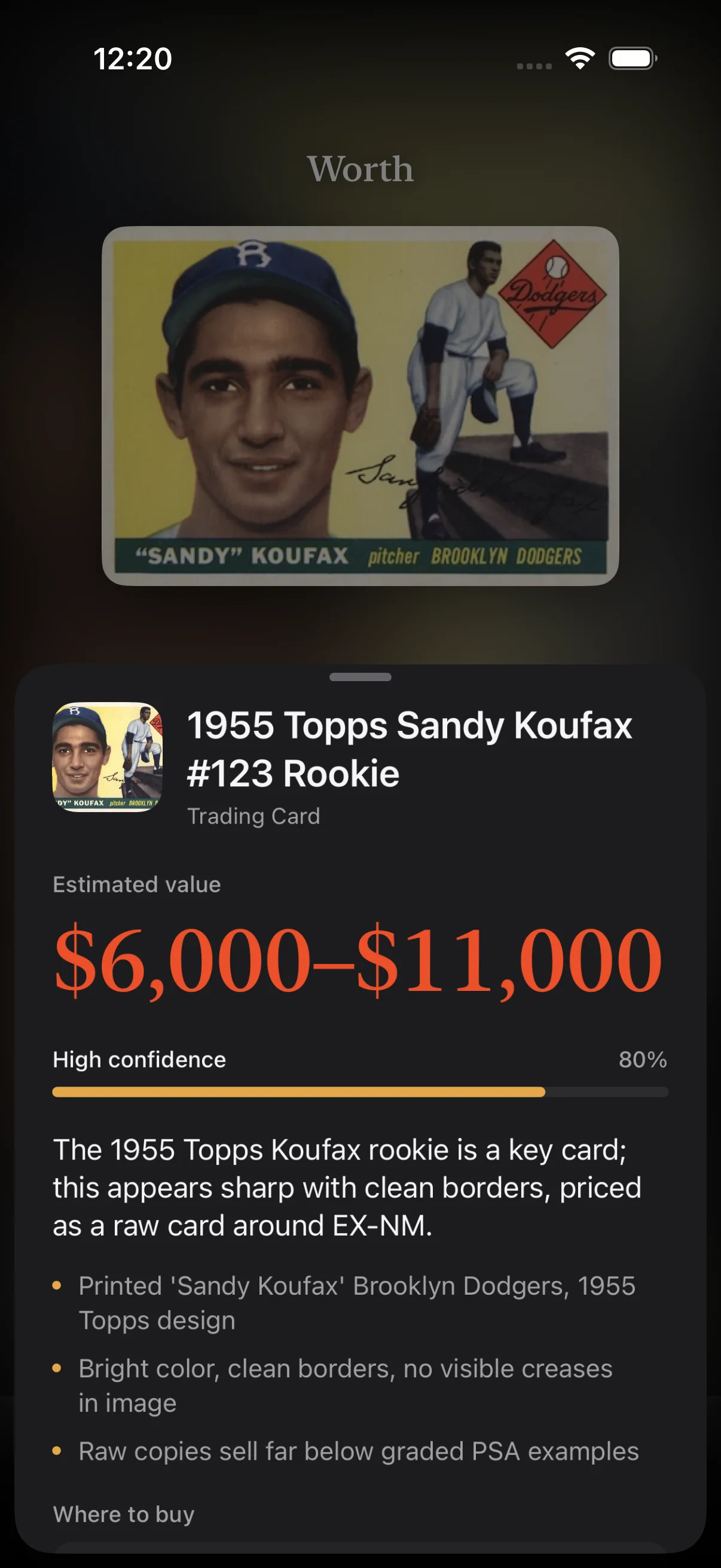
Estimated value, from the one photo above
$6,000 to $11,000
1955 Topps Sandy Koufax #123 Rookie
High confidence80%
The app’s reasoning, word for word: “The 1955 Topps Koufax rookie is a key card; this appears sharp with clean borders, priced as a raw card around EX-NM.”
Six photos. Six estimates.
Every line below is a real answer from the app, set down exactly as it appeared. One photo each, nothing added.

Painted Brick Tudor Revival Cottage
Low confidence40%
$450K to $750K

Tesla Model 3 Long Range
Medium confidence55%
$17,000 to $25,000
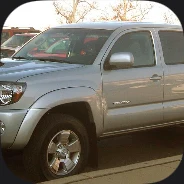
2009 Toyota Tacoma Double Cab TRD Sport
Medium confidence60%
$12,000 to $18,000

1955 Topps Sandy Koufax #123 Rookie
High confidence80%
$6,000 to $11,000
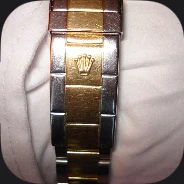
Rolex Two-Tone Oyster Bracelet
Low confidence30%
$1,800 to $3,500
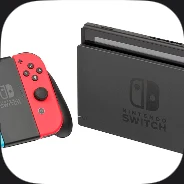
Nintendo Switch Neon Console HAC-001
Console
Medium confidence60%
$120 to $175
Added upThe six ranges above, summed. Worth prices one thing at a time; this arithmetic is ours.
$487K to $808K
When a photo does not show enough, the confidence says so. The watch is only a bracelet in frame, so it gets 30% and a note that a full watch would sell for far more.
It asks what a collector would ask.
A first estimate is an opening figure. Worth then names the one thing that would move it most: the reference on a watch, the stamp on a card, the miles on a car. Tap a quick answer or take the follow-up photo, and the price is worked out again the moment it is taken.
- Trading cardsSet number · Edition stamp · Grade and slab · Centering and corners
- WatchesReference · Serial · Box and papers · Service history
- Cars and trucksTrim · Mileage · VIN · Title and service history
- HousesZip code · Square footage · Year built · Condition inside
- Wine and spiritsProducer and vintage · Fill level · Storage · Original case
Also good on sneakers, consoles and vintage tech, coins, art and guitars.
First the number. Then the second look.
The price lands first.
Take the photo. The name and the range are on screen in a couple of seconds, while the rest is still being written. Then the confidence, the reasoning and what it noticed fill in underneath.
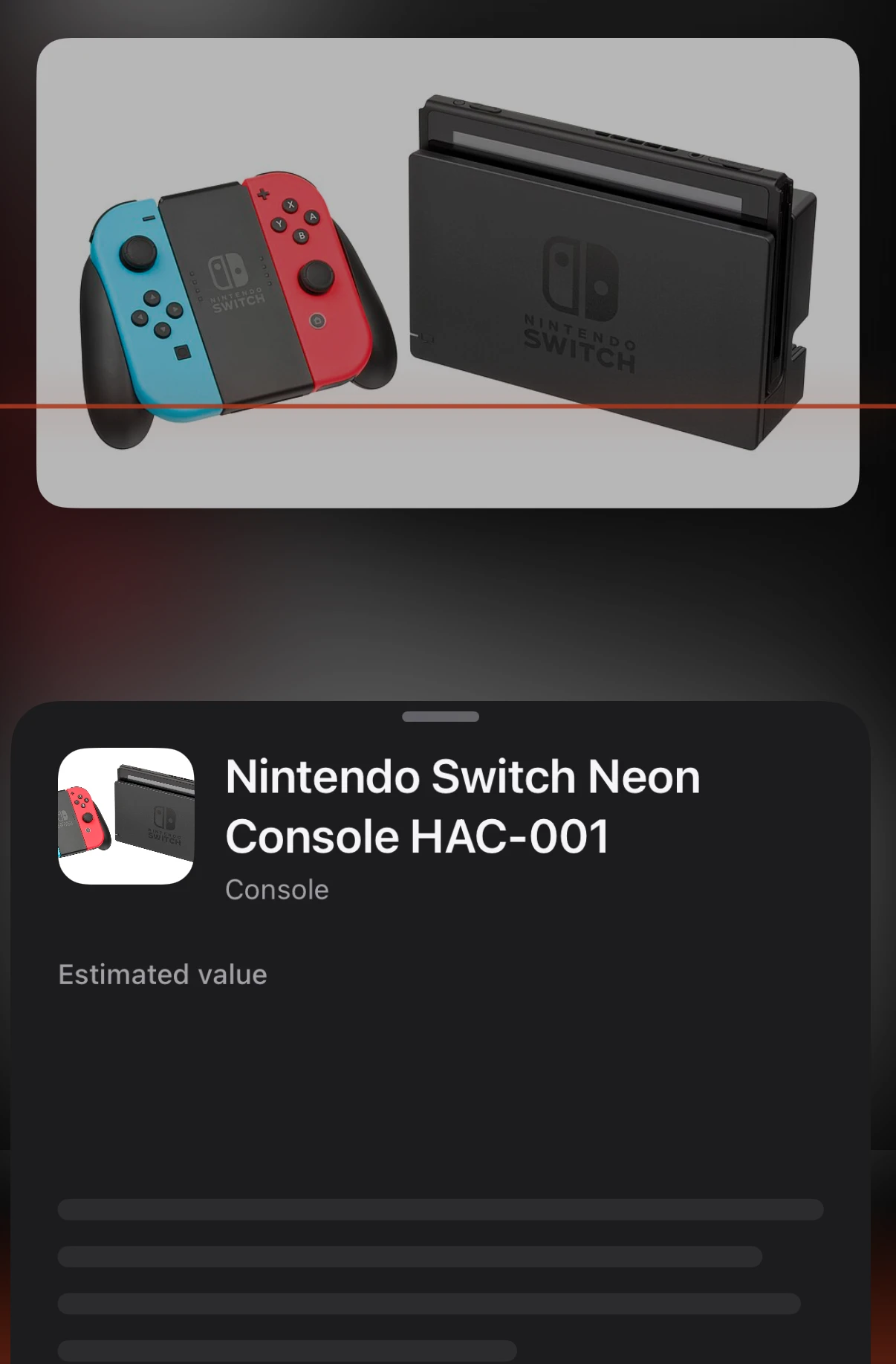
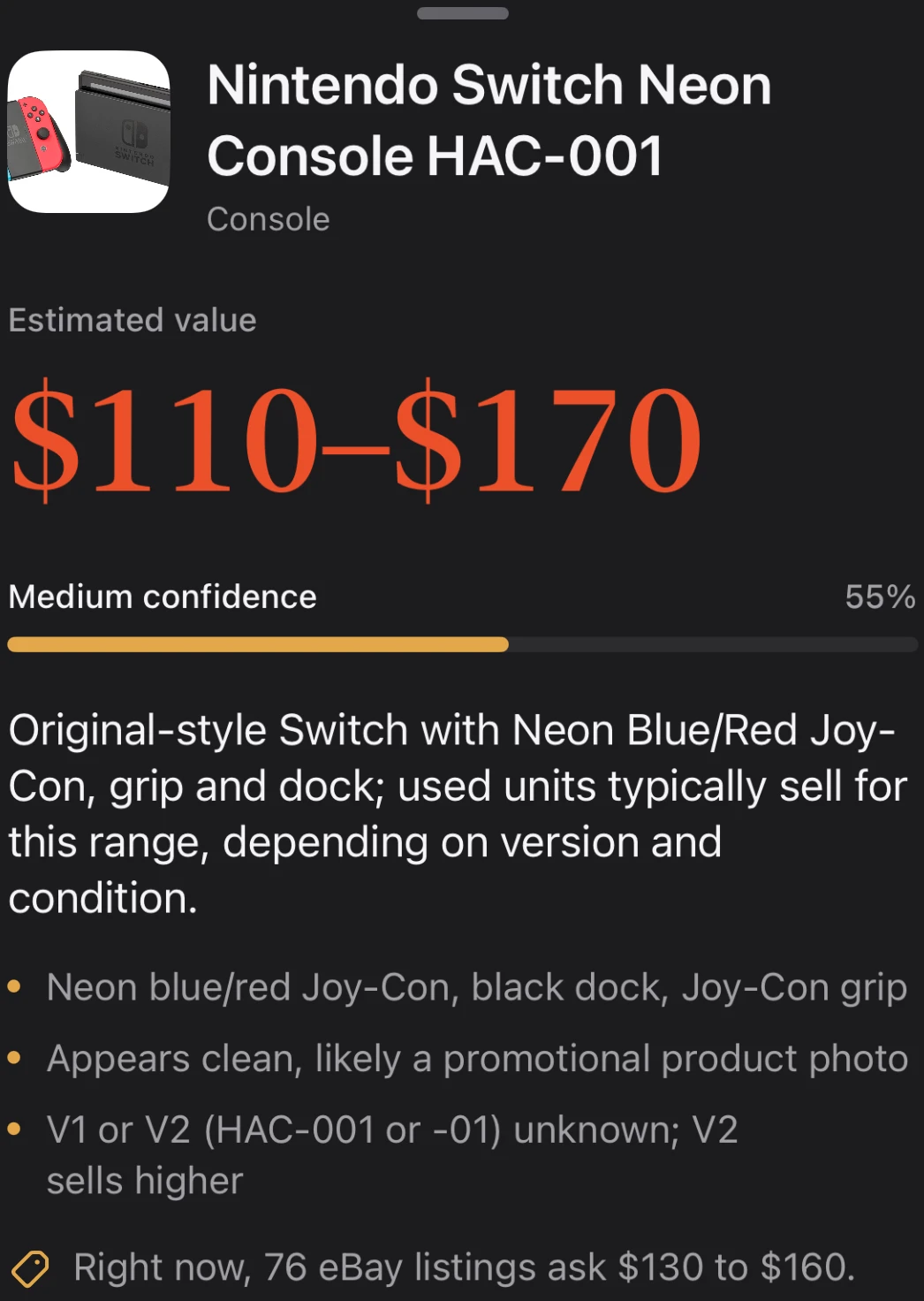
One fact, and the range moves.
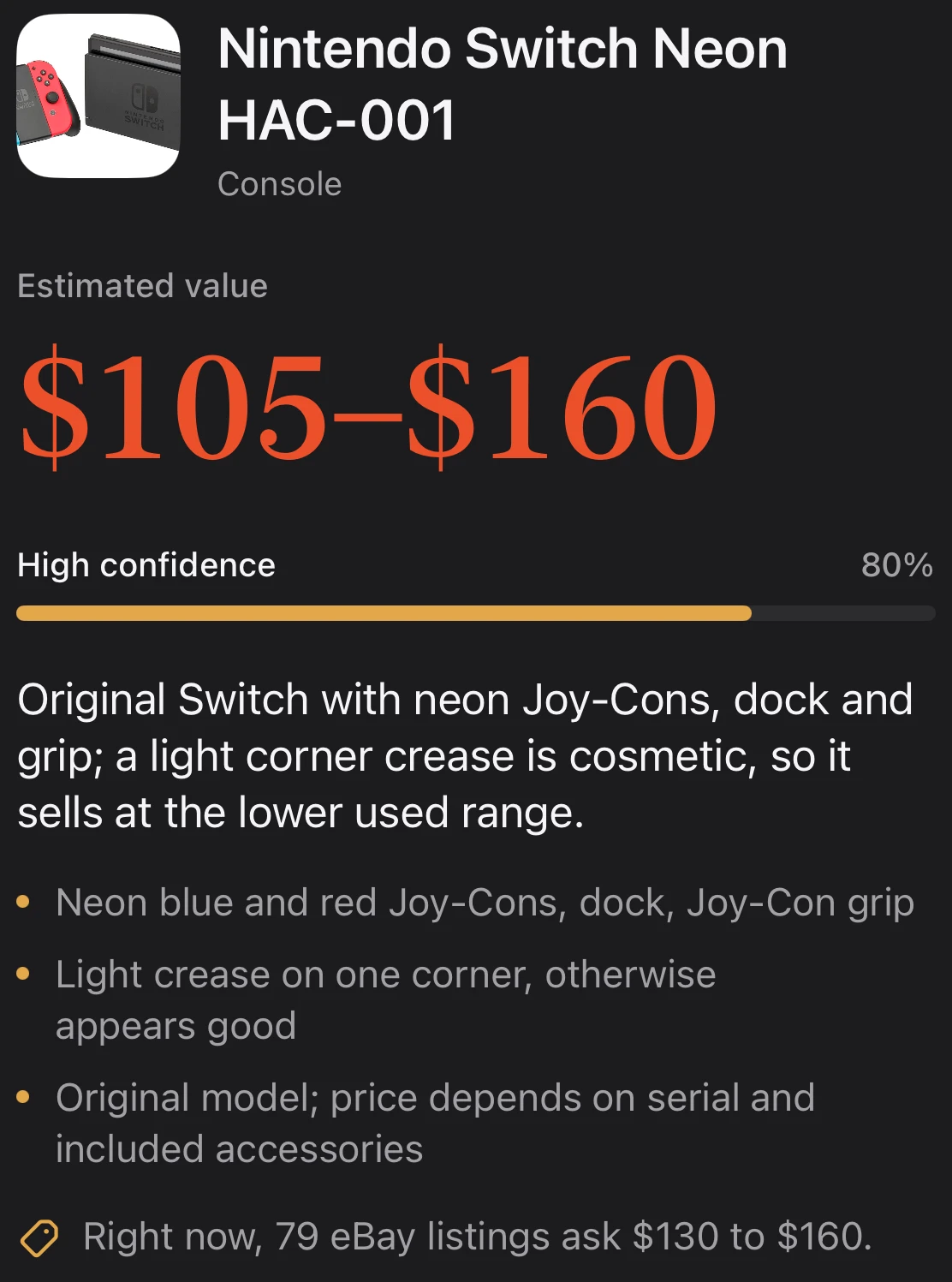
Each answer names what would narrow it. Here the owner typed five words about condition. The range tightened, and the confidence went from medium to high.

- From the photo
- $110 to $170Medium confidence, 55%
- After “Light crease on one corner”
- $105 to $160High confidence, 80%

Tell it when it’s wrong.
Thumbs up, thumbs down, or what the thing is actually worth. A correction outweighs any single estimate, and it improves the next price for that item.
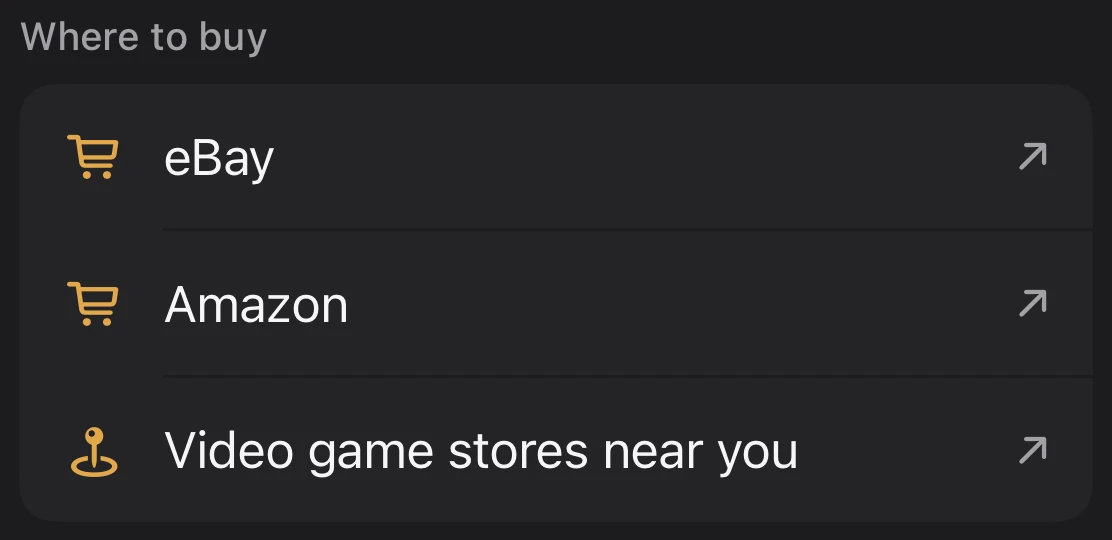
See where it trades.
Each answer shows what the item is listed for right now, then links out to the places that sell it and to a search for the right kind of shop near you. Worth never asks for your location.
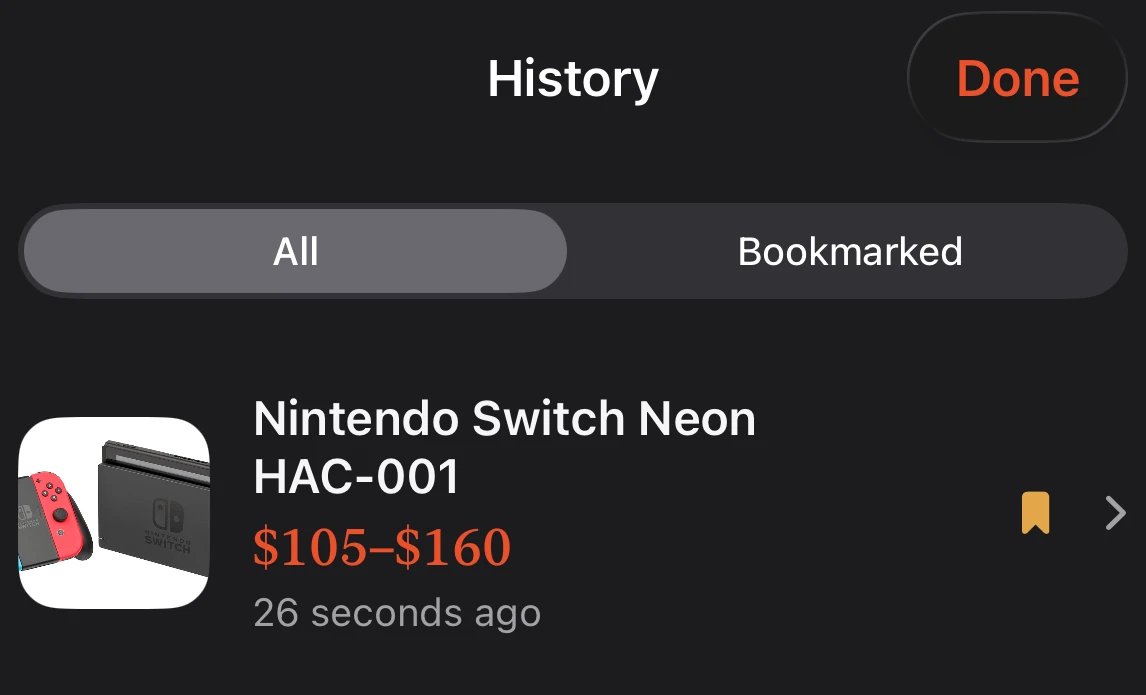
Keep the record.
Every scan goes into your history on the phone. Bookmark the pieces you are watching and find them again in one tap.
Where the number comes from.
Worth is an appraiser’s first look, not a formal appraisal. This is what goes into a range, and what is kept out of it.
- The photo
- A model looks at the photo and writes a name, a category and a range. That is the estimate you would get if nobody had ever scanned the item before.
- What has been seen before
- Before the range reaches your phone it is checked against earlier looks at the same item. With enough evidence the range moves toward it, and the answer says so.
- Corrections
- When an owner says what something is really worth, that counts for more than any estimate. It is the only ground truth Worth collects.
- One voice per phone
- Twenty scans from one phone count once. Nobody moves a price by repeating themselves.
- Asking prices
- Live listings show what sellers are asking, not what things sold for. They can pull the top of a range down. They never push a price up.
- When it isn’t sure
- With too little evidence, or evidence that disagrees, the memory stays out of it. You get the fresh estimate and an honest confidence.
From the journal.
All articles1st Edition, Shadowless, Unlimited: telling Base Set apart
The three English printings of the Pokémon Base Set look alike at a glance and are priced far apart. Here is how to tell them apart in under a minute, without a loupe.
Raw or graded: what a grade changes about a card
A graded card and a raw card can be the same piece of cardboard at very different prices. What graders look at, what a slab proves, and when grading is worth the fee.
Box and papers: what a watch’s paperwork is worth
Why a full set sells for more than the watch alone, what counts as papers, and where to find the reference and serial numbers that tie a watch to them.